
Types of construction lifts
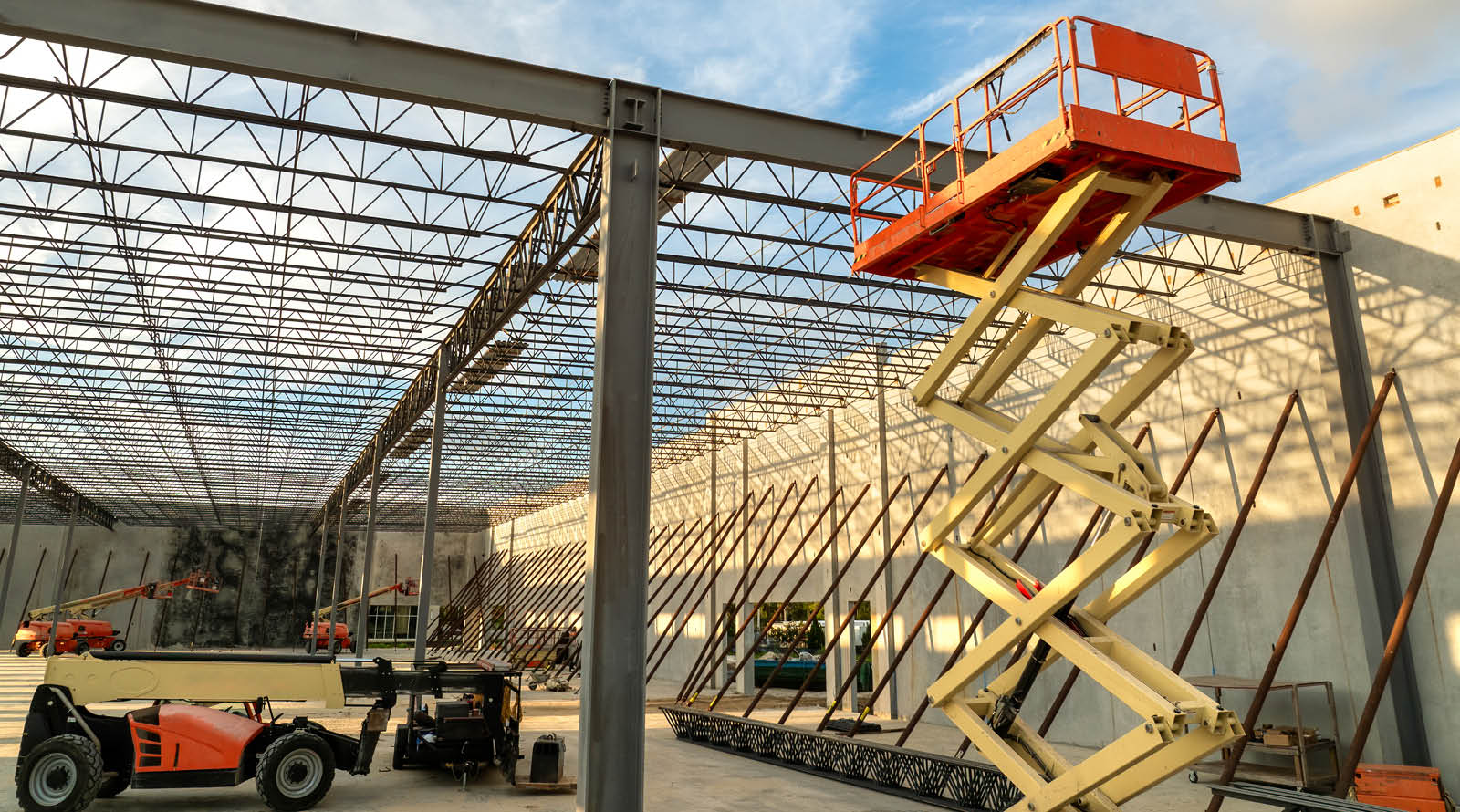
If you’re shopping for a construction lift machine (often called a man lift machine), the fastest way to narrow your options is to think in two buckets:
- Personnel lifts (aerial lifts / MEWPs): built to elevate people and tools safely to work at height.
- Material-handling lifts: built to move loads to height, sometimes with platforms or baskets as attachments.
On most jobsites, when someone says “man lift,” they mean an aerial work platform—usually a scissor lift, boom lift, or vertical mast lift. Those are the core different types of lifts you’ll see in construction, and they cover 80–90% of access-at-height needs.
Below is a clear breakdown of the main types of construction lifts, what they’re best for, and how buyers typically choose between them.
Quick list: the main types of lifts used in construction
Here’s a quick snapshot of the main lift types you’ll see on construction jobsites:
- Scissor lifts – straight-up vertical access with larger platforms and high capacity.
- Boom lifts (cherry pickers)
- Articulating boom lifts – “knuckle” arms for up-and-over reach.
- Telescopic/straight boom lifts – maximum horizontal outreach and height.
- Vertical mast lifts / personnel lifts – compact vertical lifts for tight indoor areas.
- Telehandlers (rough-terrain forklifts) – primarily for lifting materials, with platform attachments for workers.
- Specialty lifts like spider lifts and trailer-mounted booms – for unique terrain, access, or transport needs.
Now let’s unpack each one the way a buyer should think about them.
1. Scissor lifts
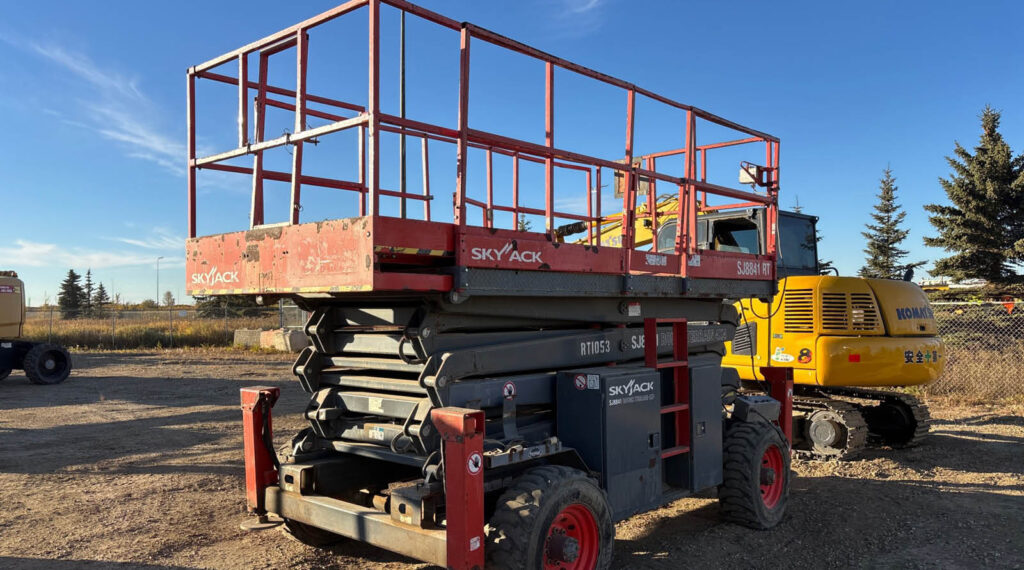
What they are:
Scissor lifts use a crisscrossing “scissor” mechanism to raise a work platform straight up. They’re the backbone of many indoor builds and flat-slab jobs because they’re stable, simple, and carry a lot.
Where they shine:
- Vertical work like electrical, MEP, sprinkler installs, drywall, and ceiling grid.
- Warehouses and indoor construction where floors are smooth and space is fairly open.
- High-capacity platform needs—multiple workers plus tools and materials.
Buyer takeaway:
If the job is mostly straight up and you want platform real estate + payload, a scissor lift is usually the most cost-efficient man lift machine to own or rent.
Learn more about different scissor lift types with a related article.
2. Boom lifts (aerial boom / cherry picker)
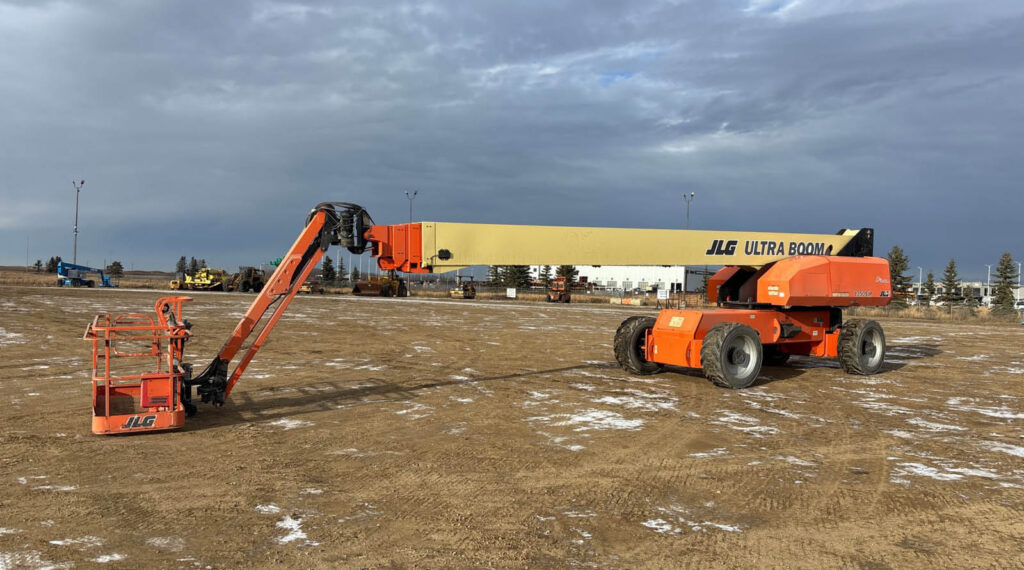
Boom lifts are what you choose when you need height plus outreach. OSHA and ANSI classify them under aerial lifts/MEWPs, and they’re common in structural steel, glazing, exterior work, and industrial maintenance.
2a. Articulating boom lifts (knuckle booms)
What they are:
Articulating booms have jointed sections that bend, letting the basket go up, over, and around obstacles.
Where they shine:
- Tight sites with obstructions (pipes, mezzanines, rooflines, mechanical systems).
- Industrial plants where you need precision positioning.
- Urban builds with narrow swing space.
Buyer takeaway:
If your crew regularly works around obstacles, articulating booms are worth the premium.
2b. Telescopic / straight boom lifts
What they are:
Telescopic booms extend in a straight line for maximum reach and height. They’re the long-arm problem solvers on open sites.
Where they shine:
- Exterior construction (steel erection, cladding, bridges).
- Large jobsites where you need reach without repositioning constantly.
- Wind farms, refinery turnarounds, and infrastructure work.
Buyer takeaway:
Choose telescopic when your priority is reach first, maneuvering second.
3. Vertical mast lifts / personnel lifts
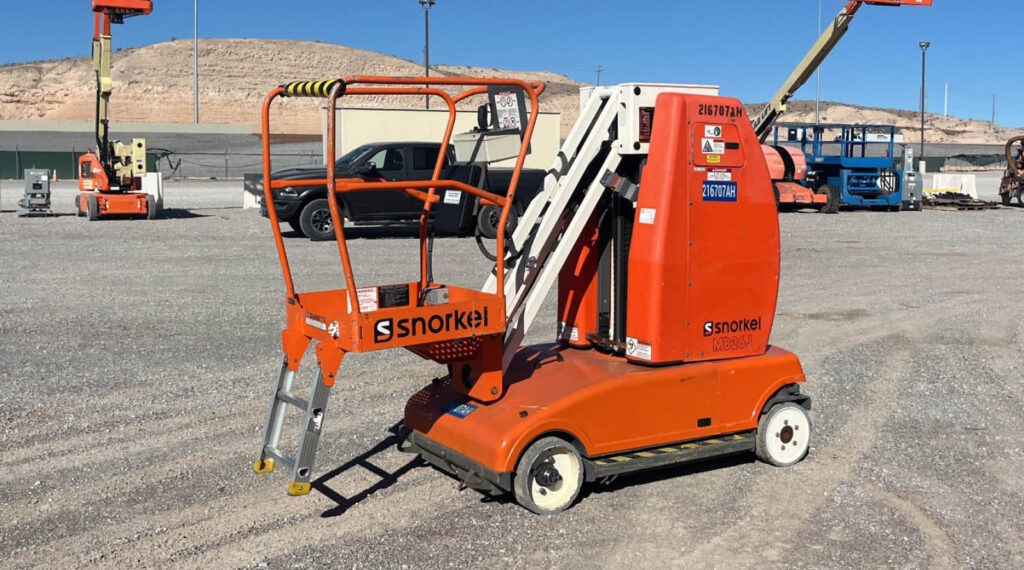
What they are:
These vertical compact lifts raise a small platform straight up using a mast. They’re often electric and designed for indoor or tight-access work.
Where they shine:
- Narrow aisles, finished interiors, and maintenance corridors.
- Jobs where you need lightweight access rather than big platform capacity.
- Retail fit-outs, hospitals, schools, and airports.
Buyer takeaway:
If space is your constraint, a vertical mast lift can outperform a scissor lift simply because it fits.
4. Telehandlers (rough-terrain reach forklifts)
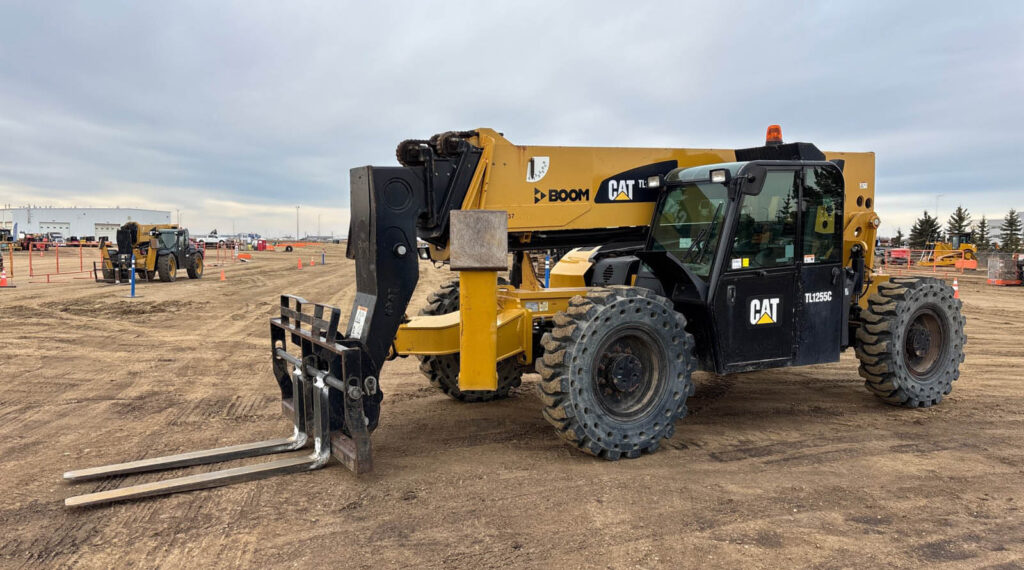
What they are:
Telehandlers are primarily material-handling lift machines—they lift, place, and carry loads. But with a man-basket attachment and proper training, they’re also used to elevate personnel on many jobs.
Where they shine:
- General construction logistics: pallets, trusses, pipe, lumber, masonry.
- Rough terrain hauling where a warehouse forklift can’t survive.
- Multi-use fleets that want one machine doing many jobs.
Buyer takeaway:
If your operation needs materials lifted every day, a telehandler usually pays for itself faster than a dedicated man lift.
5. Specialty aerial lifts
These are less common than the big three (scissor/boom/mast), but they’re critical in certain environments.
5a. Spider lifts (tracked compact booms)
What they are:
Spider lifts, or crawler lifts Lightweight, track-mounted lifts with outriggers. Often used where ground pressure, access width, or terrain makes normal booms risky.
Where they shine:
- Soft ground, landscaped areas, slopes, and sensitive flooring.
- Indoor atriums, churches, or historic buildings where weight matters.
- Tree work and facility maintenance.
Buyer takeaway for specialty lifts:
Buy these when your work site creates a specific access problem that standard lifts can’t solve.
How to choose the right construction lift machine
When you’re comparing types of man lifts or other construction lifts, buyers should anchor on four practical questions:
Do you need straight-up access or outreach?
- Straight up → scissor or mast lift
- Up + over / reach → articulating or telescopic boom
What’s your ground like?
- Smooth slab → electric scissor/mast
- Rough terrain → RT scissor, booms, or telehandler
How many people/tools are going up?
- Big deck + high capacity → scissor
- Single tech + tools → mast / smaller boom
What’s your typical job duration and travel pattern?
- Long-term sites → self-propelled lifts
- Frequent moves → trailer booms or smaller electrics
OSHA also emphasizes that lift selection and training are equipment-specific, so matching the lift to the task isn’t just cost-logic—it’s compliance and safety, too.
Bottom line
For most buyers, the “core” types of construction lifts are:
- Scissor lifts for stable vertical work,
- Boom lifts for reach and obstacle navigation,
- Vertical mast lifts for tight indoor access, and
- Telehandlers when lifting materials is a daily need.


 |
Motivated buyers need your equipment – sell in Edmonton’s next auction |

Ritchie Bros. is a one-stop-shop for everything your equipment and truck business needs to succeed - buying and selling solutions, market insights and valuation, global buyer demand, and fleet management tools.
Ritchie Bros., Two Westbrook Corporate Center, Suite #1000 Westchester, Illinois, 60154 | +1.800.663.8457