
How to transport large items and machinery
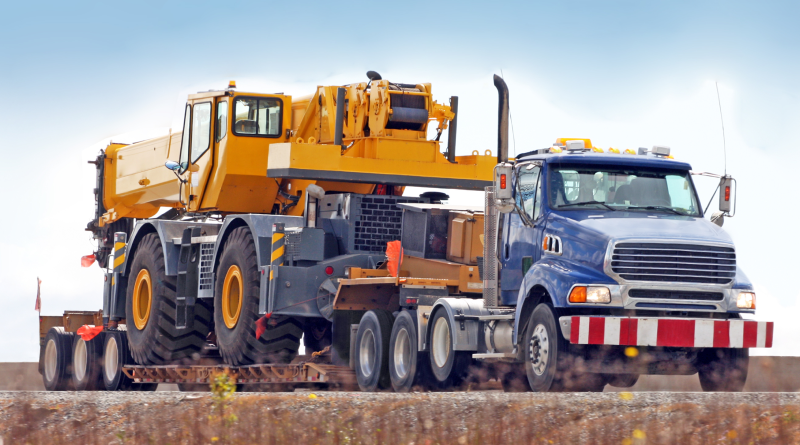
Heavy equipment shipping refers to the transportation of oversized and heavy machinery such as excavators, loaders, and dozers from the point of purchase to their final destination using specialized carriers. It is a form of large item shipping designed for equipment that cannot be moved through standard delivery services. For buyers who purchase equipment online, shipping is a routine and well-established part of the buying process.
As auctions and digital marketplaces expand access to equipment across regions, more buyers are learning how delivery of heavy items works in real-world conditions. Understanding how large objects are shipped, what affects cost and timelines, and how transportation is arranged helps buyers plan effectively after completing a purchase.
How is heavy equipment shipped?
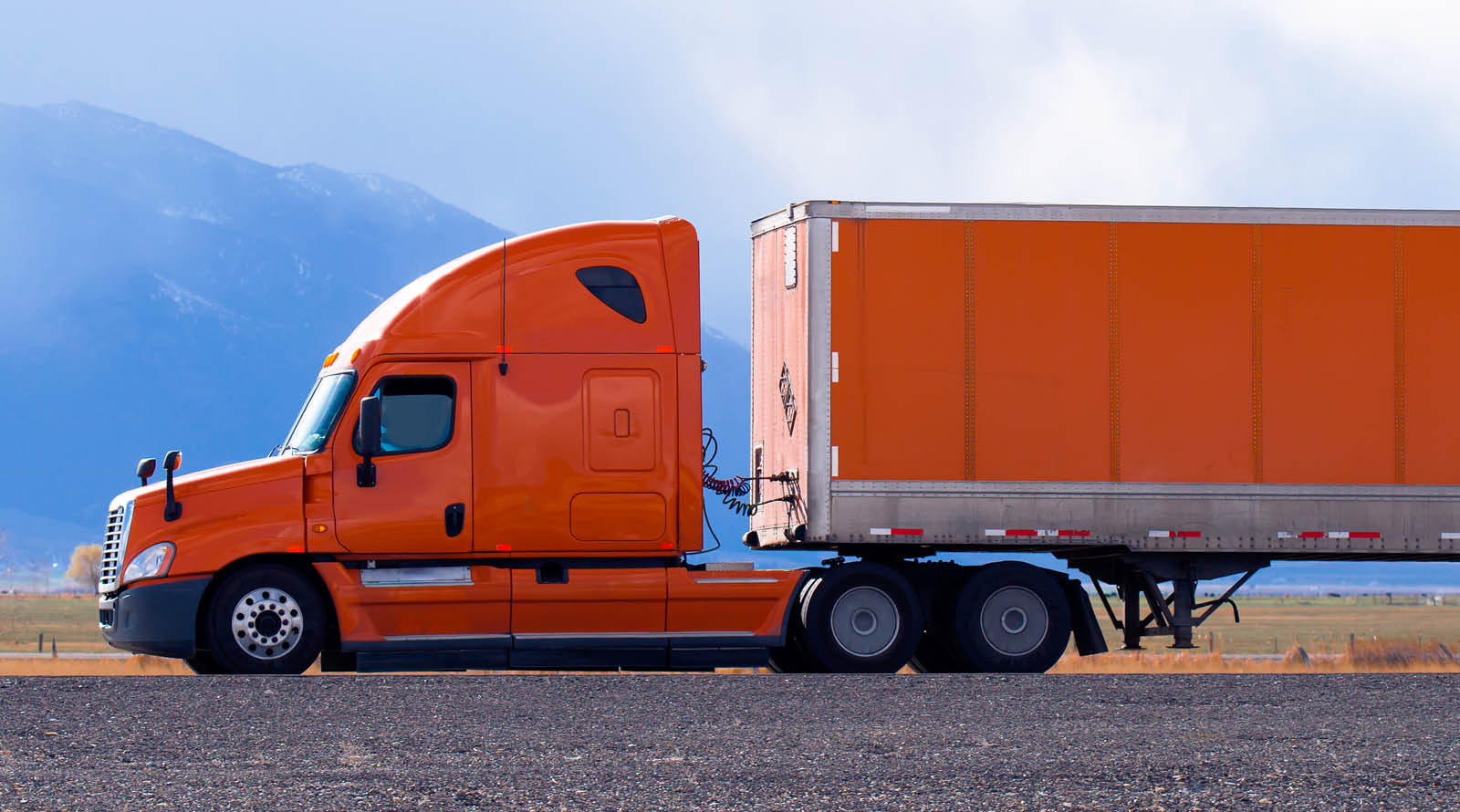
Heavy equipment is shipped using purpose-built trailers and carriers that are designed to handle large, heavy objects safely on public roads. Unlike standard freight, shipping construction machinery requires planning around weight, dimensions, and access at both pickup and delivery locations.
Common transport options include:
- Flatbed trailers for standard-size equipment
- Step deck trailers for taller machines
- Lowboy or RGN trailers for large excavators and heavy machinery
Before transport begins, equipment is inspected, secured, and prepared based on its configuration. Professional carriers specialize in this process and manage the technical requirements needed to move machinery safely and efficiently.
How shipping large and heavy items differs from standard freight
Shipping large items follows a different process than moving palletized freight or boxed goods. Large item shipping involves equipment that exceeds standard size or weight limits, which introduces additional planning requirements.
Key differences include:
- Use of specialized trailers and equipment-specific carriers
- Route planning that accounts for clearances, bridges, and road restrictions
- Regulatory requirements that may include permits or escorts
For buyers unfamiliar with how to ship large objects, this may sound complex. In practice, experienced carriers handle these details every day, making the process structured and predictable when the right information is provided upfront.
Who arranges shipping after buying heavy equipment at auction?
After purchasing equipment at auction, the buyer is generally responsible for arranging transportation. This applies to both onsite and online purchases. Some buyers work directly with carriers they already know, while others prefer using services that specialize in delivery of heavy items.
Ritchie Bros. supports buyers by providing access to transportation solutions that simplify this step. Many customers choose to arrange shipping through VeriTread, a transportation marketplace that connects buyers with qualified carriers experienced in shipping large and heavy machinery.
This option is especially valuable for buyers purchasing equipment from outside their region or buying heavy equipment online for the first time.
How VeriTread works with Ritchie Bros. to simplify equipment shipping
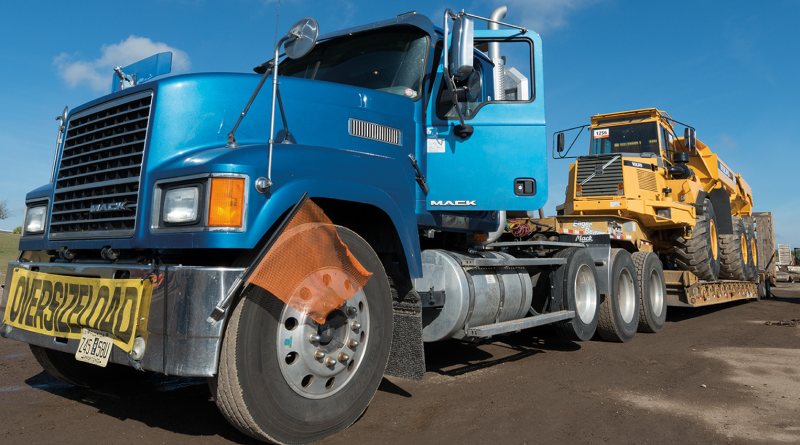
VeriTread is a transportation marketplace designed specifically for heavy equipment and large item shipping. Through its integration with Ritchie Bros., buyers can request shipping quotes for purchased equipment and receive responses from carriers that specialize in construction and industrial logistics.
Once a request is submitted, carriers review the equipment details, pickup location, and delivery destination before providing quotes. Buyers can then compare options and choose a transporter that fits their schedule and budget. Because these carriers regularly handle delivery of heavy items from auction sites, they are familiar with site procedures and equipment requirements.
This process removes much of the uncertainty buyers sometimes associate with arranging transportation after an auction.
How much does it cost to ship heavy equipment?
The cost to ship heavy equipment varies based on several factors, which is why pricing is typically calculated on a case-by-case basis rather than as a flat rate.
Shipping costs are influenced by:
- Distance between pickup and delivery locations
- Equipment size, weight, and configuration
- Trailer type and carrier requirements
- Permits, escorts, and regional regulations
- Seasonal demand and carrier availability
Buyers researching how to ship large items should plan to request quotes early so transportation costs can be factored into the total purchase decision.
What affects heavy equipment shipping timelines?
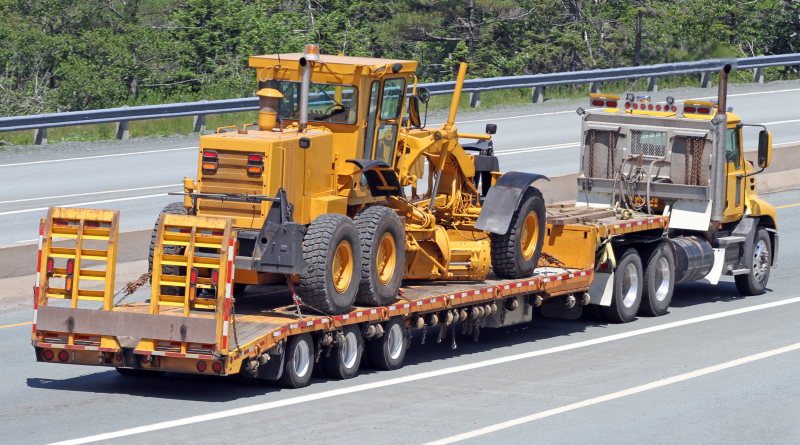
Shipping timelines depend on both carrier availability and the complexity of the shipment. Some equipment can be moved quickly, while other shipments require additional coordination.
Common factors that influence timelines include:
- Permit requirements for oversized loads
- Carrier scheduling and route planning
- Pickup and delivery site access
- Seasonal demand and weather conditions
Arranging transportation soon after purchase helps ensure delivery of heavy items aligns with operational or project timelines.
Do you need permits to transport heavy machinery?
Permits are required when equipment exceeds legal limits for height, width, length, or weight. Many excavators and large machines fall into this category, particularly when transported fully assembled.
Professional carriers typically handle the permitting process, including route approvals and compliance requirements. While buyers do not usually manage permits themselves, understanding that permits may be required helps explain why some shipments take longer to arrange.
Common mistakes buyers make when shipping heavy equipment
Even experienced buyers can encounter issues if shipping is not planned carefully. Some of the most common mistakes include:
- Waiting too long to arrange transportation after purchase
- Underestimating equipment dimensions or operating weight
- Not confirming auction site pickup requirements
- Overlooking access limitations at the delivery location
Addressing these details early helps keep the shipping process smooth and predictable.
Shipping heavy equipment bought online versus locally
Buying equipment online provides access to a wider selection of machines, but it also makes transportation a key part of the transaction. Local purchases may allow buyers to manage transport independently, while remote purchases require more structured logistics planning.
Ritchie Bros. supports online buyers by making large item shipping accessible through established transportation partners. Services like VeriTread help buyers approach online equipment purchases knowing that delivery of heavy items can be arranged efficiently.
Making heavy equipment shipping straightforward
Shipping heavy equipment and other large objects is a well-established process supported by specialized carriers and experienced logistics providers. For buyers purchasing excavators and machinery through Ritchie Bros., transportation can be planned confidently when the right tools and information are in place.
By understanding how to ship large items, what affects cost and timing, and how VeriTread supports construction equipment logistics, buyers can move from purchase to delivery with clarity and confidence.


 |
Canada Real Estate Auction March 24 features multiple unique listings |

Ritchie Bros. is a one-stop-shop for everything your equipment and truck business needs to succeed - buying and selling solutions, market insights and valuation, global buyer demand, and fleet management tools.
Ritchie Bros., Two Westbrook Corporate Center, Suite #1000 Westchester, Illinois, 60154 | +1.800.663.8457