
Best UTV trailer: How to choose the right trailer for a side-by-side
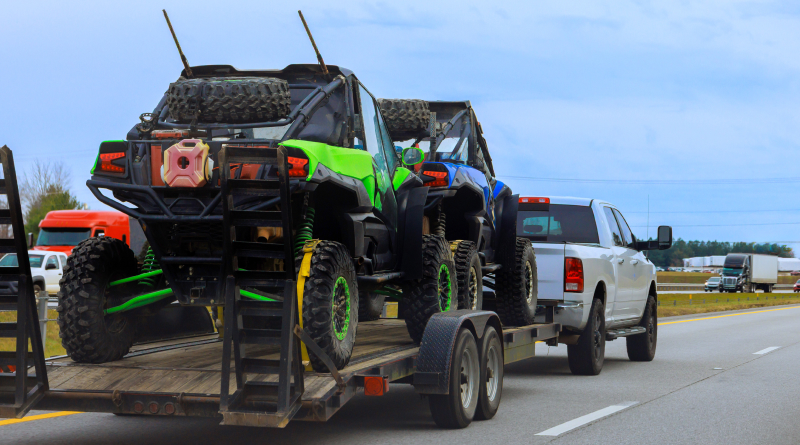
There isn’t a single “best UTV trailer” for everyone. The right choice depends on your machine’s size, how far and how often you tow, and how much flexibility you want for future upgrades. Most regrets stem from sizing and setup, not brand. Use this practical buyer guide to choose a trailer that loads easily, tows confidently, and fits how you actually ride.
Start with your UTV (not the trailer)
Width matters more than you think
`On paper a UTV may “fit” a narrow trailer, but real‑world width grows with mirrors, wheels/tires, suspension stance, and accessories. A cramped deck raises stress, complicates tie‑downs, and turns small alignment misses into reloads. Size for breathing room, not the minimum spec.
Length depends on how you ride
Two‑seat machines need less deck space than four‑seaters, but length is also about how you travel. If you carry coolers, spare tires, fuel, or gear—or expect to upgrade later—extra deck length simplifies loading and keeps gear accessible.
Don’t overlook weight (GVWR, Payload, Tongue Weight)
Consider more than dry weight. Accessories, fluids, and cargo add up—and the trailer’s own weight counts toward the tow load. Match trailer GVWR to your UTV and cargo, ensure your tow vehicle ratings are sufficient, and aim for sensible tongue weight distribution for highway stability.
Why hauling a UTV differs from standard freight
Large, wheeled loads introduce load balance and axle placement, approach angles during loading, tie‑down geometry, and stability at speed. Purpose‑built UTV/ATV trailers typically outperform generic utility trailers when dimensions look similar because their geometry, ramp/tilt design, and tie‑down access match real loading dynamics.
Trailer types that work for UTVs
Open utility trailers
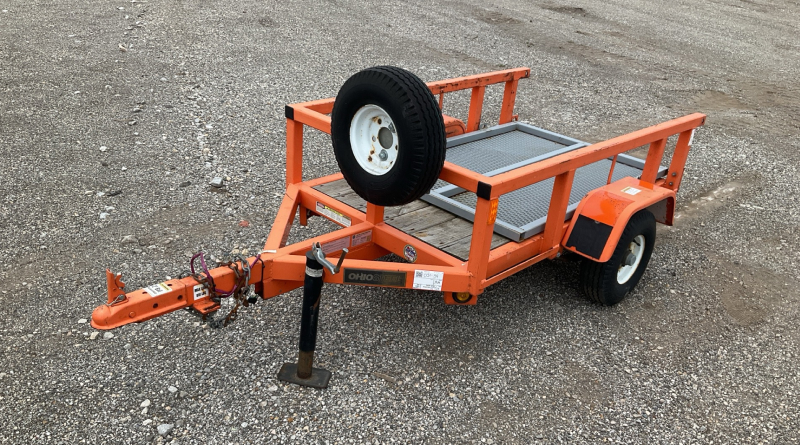
Simple, versatile, and easy to load—great for local trips and frequent unloading. Visibility is excellent, and there’s no roof‑height concern. Trade‑off: exposure to weather and road debris on long hauls.
Enclosed trailers
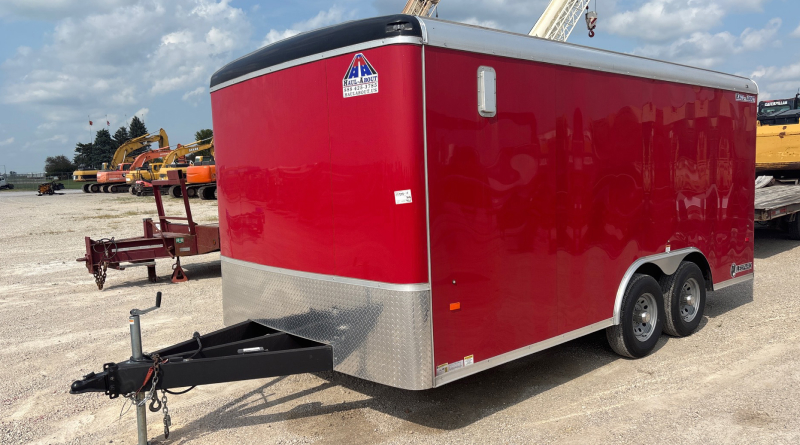
Protect from weather, theft, and road grime; also double as storage. Downsides include higher cost, added wind resistance, and greater tow‑vehicle demands—but many frequent riders never go back after switching.
Flatbed / Car‑hauler style
Less common but highly stable and flexible—especially when hauling additional equipment alongside your UTV. Often favored for heavier side‑by‑sides and mixed‑use hauling.
Tilt trailers vs. ramp gates
Tilt trailers eliminate separate ramps, reducing setup and often offering a shallower approach. Ramp gates are common and cost‑effective, but make sure the gate length and hinge geometry produce a friendly approach angle. Shallower is easier on driveline, skid plates, and nerves—especially when loading solo.
Specs that separate good trailers from frustrating ones
Single Axle vs. Tandem Axle
Single axles suit lighter machines and short trips. Tandem axles add stability, margin for error, and smoother towing at highway speeds—often the right choice for four‑seat machines or long‑distance hauling.
Trailer Width and Fender Design
Wider decks reduce loading stress. Drive‑over or removable fenders provide forgiveness when the machine’s stance approaches deck width and improve tie‑down access.
Deck Height and Approach Angle
Lower decks tow more stably and load more easily. Combine with longer ramps or tilt mechanisms to reduce scraping and wheelspin.
Brakes, Hubs, and Tires
Trailer brakes enhance control on heavier loads and long trips, reducing wear on your tow vehicle. Durable hubs and quality tires matter for reliability when you’re far from home.
Real‑World Trailer Size Recommendations
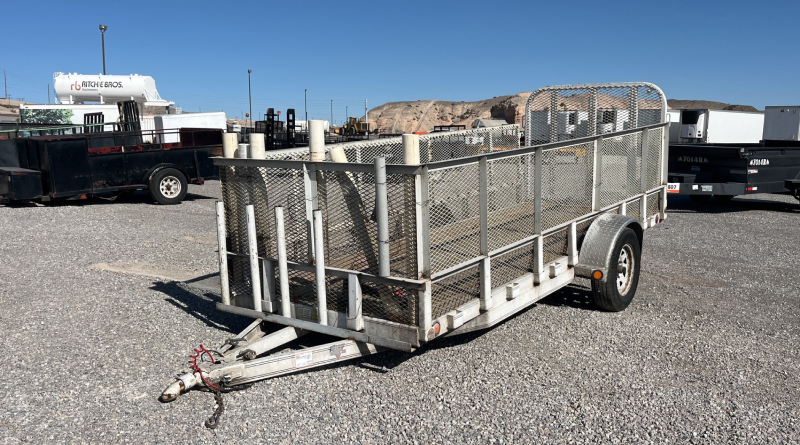
Treat these as starting points rather than rigid rules. Many owners size up slightly for comfort and future flexibility.
| UTV Type | Recommended Deck Width | Recommended Deck Length | Axle Setup |
| 2‑seat UTV | 6.5–7.0 ft (approx. 78–84″) | 12–14 ft | Single or Tandem |
| 4‑seat UTV | 7.0 ft+ (approx. 84″+) | 14–16 ft | Tandem preferred |
What ‘Best Utility Trailer Brand’ Really Means
Focus on reliability, build quality, and support:
- Consistent welds and frame design
- Durable finishes that hold up outdoors
- Readily available replacement parts
- Dealer or manufacturer support when issues arise
Material choice: Aluminum trailers offer corrosion resistance and lower weight; steel often feels more robust and costs less up front. The right choice depends on use case and climate.
Common Buyer Mistakes (and Easy Fixes)
- Buying too narrow and fighting loading every trip
- Underestimating total weight after accessories and cargo
- Ignoring at‑home storage constraints (height/length)
- Buying for today’s machine, not your likely upgrade path
A Simple Framework to Choose the Right Trailer
- Measure your UTV carefully—and add margin for stance and accessories.
- Decide how often and how far you tow (local vs. highway).
- Choose width first, then length.
- Match GVWR and consider brakes and axle configuration.
- When in doubt, buy slightly more trailer than you think you need.
Final perspective
UTV owners who love their trailer usually made one smart choice early: they sized for comfort and growth. Pick the trailer that makes loading simple today and upgrades painless tomorrow. If it does those two things—and tows stable—it’s usually the right one.


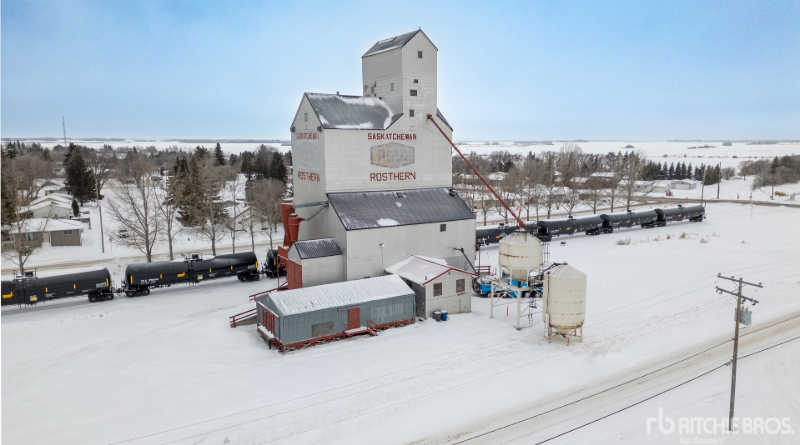 |
Canada Real Estate Auction March 24 features multiple unique listings |

Ritchie Bros. is a one-stop-shop for everything your equipment and truck business needs to succeed - buying and selling solutions, market insights and valuation, global buyer demand, and fleet management tools.
Ritchie Bros., Two Westbrook Corporate Center, Suite #1000 Westchester, Illinois, 60154 | +1.800.663.8457