
Maximizing Returns: How equipment dealers are using auctions more intentionally
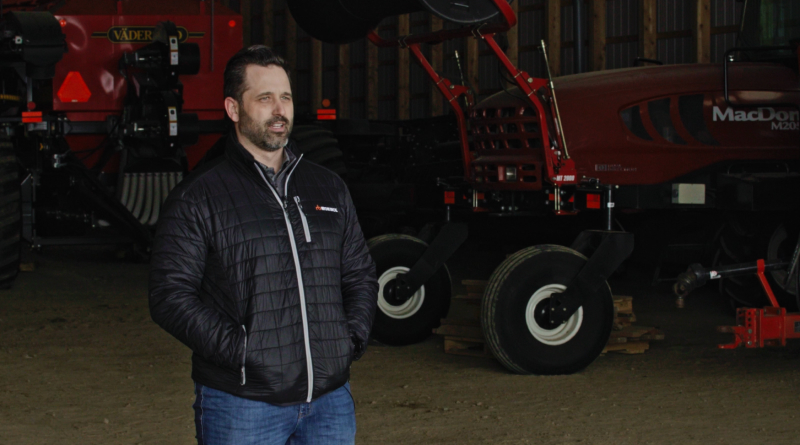
Across North America, equipment dealers are rethinking how they manage used inventory. Declining values, higher floorplan interest rates and longer holding periods are forcing tougher decisions about when to hold and when to sell.
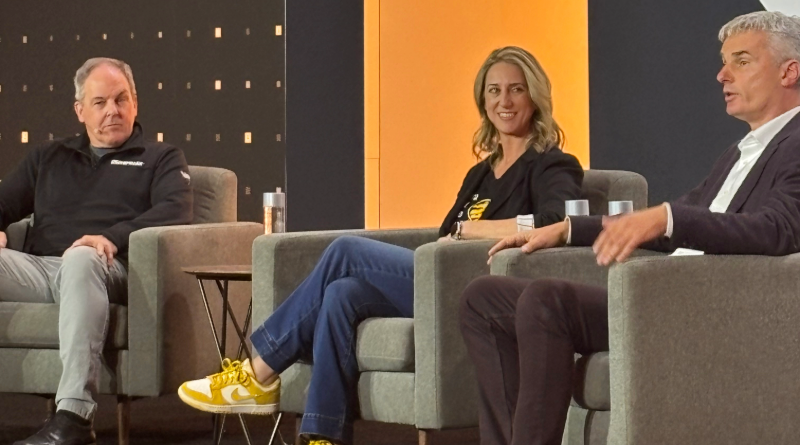
That reality framed the recent “Maximizing Returns with Smarter Auction Strategies” panel discussion at the 2025 North American Equipment Dealers Association conference, where panelists explored how auctions fit into today’s market. The conversation reinforced a clear shift already underway. Dealers are moving away from reactive selling and using auctions more intentionally as part of everyday inventory and cash-flow planning.
Luke Fritshaw, Sales Director at Ritchie Bros., shared how this shift is showing up in real dealer behavior. Auctions, he noted, are most effective when they are incorporated strategically, used consistently and aligned with how a dealership already does business.
Owning the process leads to better results
One theme that continues to stand out is the importance of ownership. Dealers who stand behind the equipment they send to auction tend to see stronger outcomes.
Ritchie Bros. data shows that transparency matters. Dealers who are clear about condition, history and intent treat auctions as an extension of their brand rather than a quiet exit. Buyers respond to that confidence, and results tend to follow.
By contrast, dealerships that distance themselves from the auction process often struggle to attract serious buyers. In today’s market, that difference is increasingly visible.
Auctions are part of a broader inventory strategy
Auctions are no longer a one-off decision. They are becoming part of a broader approach to managing inventory and cash flow, especially as carrying costs rise and holding periods stretch.
In 2025 alone, Ritchie Bros. has completed well over $500 million in equipment transactions for equipment dealers across North America. That activity reflects a growing number of dealers who intentionally market a portion of their inventory through auctions each year to keep equipment moving, manage risk and maintain flexibility.
The goal is not simply to sell faster. It is to recognize when holding equipment no longer makes financial sense.
Reaching the right buyers matters more than ever
Buyer access is another area drawing increased attention. Getting equipment in front of the right audience can have as much impact as timing.
Ritchie Bros. reaches buyers in more than 190 countries, giving dealers exposure well beyond their local or regional markets. That reach helps create competition, supports fair market pricing and connects equipment with buyers who may not otherwise see it. Auctions can open doors to new buyers across regions, industries and borders.
In agriculture alone, Ritchie Bros. has worked with 70 dealerships across North America in 2025, helping align sales strategies with seasonal demand and regional conditions.
What this means going forward
Dealer expectations continue to evolve. Today, dealers are not just looking for someone to run a sale. They want a strategic partner to help think through timing, value and how auctions fit into their broader business.
For many, that means starting the conversation earlier, before inventory becomes a concern, and working with teams that understand both the market and the dealer’s goals.
The takeaway
The message reinforced at NAEDA was straightforward: best practices are changing when it comes to dealers and auctions. Dealers who plan ahead, stay transparent and take an active role in the process are better positioned to protect value, manage cash flow and keep equipment moving.
Want to get more insight into fleet management and current industry trends? Get in touch with one of our experts for a no-obligation chat.


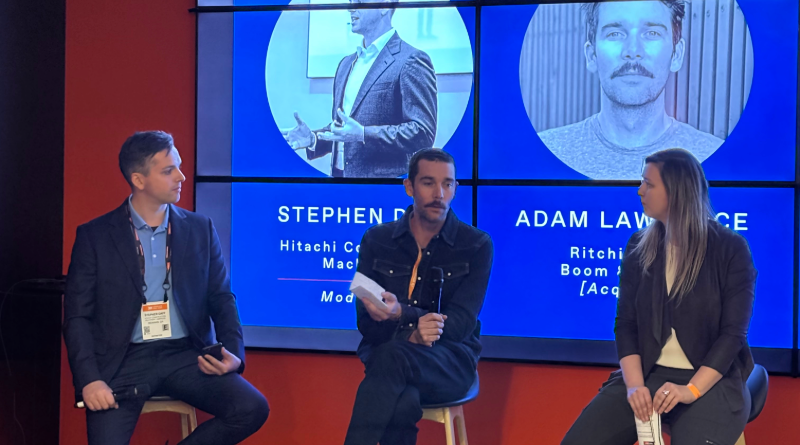 |
Adam Lawrence of Ritchie Bros. joins industry leaders panel at CONEXPO 2026 |

Ritchie Bros. is a one-stop-shop for everything your equipment and truck business needs to succeed - buying and selling solutions, market insights and valuation, global buyer demand, and fleet management tools.
Ritchie Bros., Two Westbrook Corporate Center, Suite #1000 Westchester, Illinois, 60154 | +1.800.663.8457