
Freightliner truck models: a practical look at the most popular Freightliner trucks buyers look for
Freightliner has been a staple in North American trucking for decades, and for good reason. The brand covers a wide range of applications, from fuel-efficient highway tractors to heavy-duty, long-hood trucks built for demanding work. Because of that range, conversations around Freightliner truck models often come down to one question: which platform actually fits the way you plan to use the truck?
Rather than treating every model as interchangeable, it helps to understand how different Freightliner models show up in the real world, who tends to buy them, and why certain trucks consistently attract attention in the used and auction m
How Freightliner approaches truck design
Freightliner does not build trucks to check marketing boxes. Most of its platforms are designed around specific operating realities, whether that is long-haul fuel economy, fleet
standardization, or heavy-duty durability. That philosophy is part of the reason Freightliner trucks are so common across fleets, owner-operators, and vocational applications.
When buyers compare Freightliner models, they are usually weighing a mix of practical considerations:
- How the truck will be used day to day
- Engine and transmission compatibility
- Operating and maintenance costs
- Driver comfort over long hours
- Parts availability and service support
The models below are some of the most frequently discussed and searched Freightliner trucks because they address those concerns in different ways.
Freightliner Cascadia 126
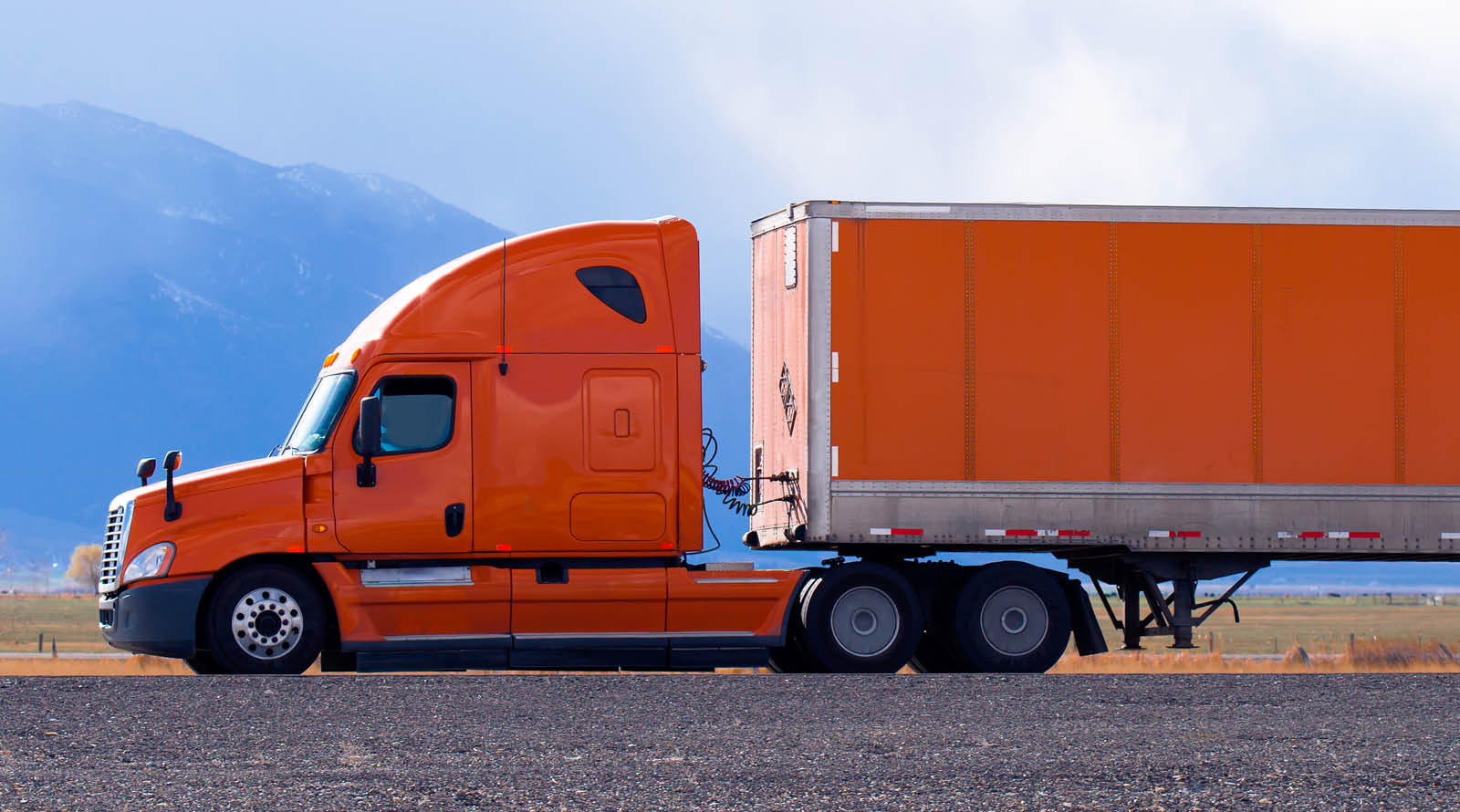
The Cascadia 126 has become the default answer for many buyers looking for a modern highway tractor. It is hard to overstate how common this model is in long-haul and regional freight, especially among fleets that prioritize fuel efficiency and standardized maintenance.
In practice, the Cascadia 126 appeals to buyers who want a truck that simply fits into today’s freight environment. Aerodynamics play a big role in its design, and newer model years introduced safety and driver-assistance features that many fleets now expect as standard. Detroit engine integration and automated manual transmissions are also a big part of its appeal.
Buyers coming from older trucks often notice the difference immediately. The cab feels more refined, the sleeper configurations are built for long stints on the road, and fuel savings add up over time. That combination explains why the Cascadia continues to dominate listings and auction lanes across North America.
Freightliner Columbia
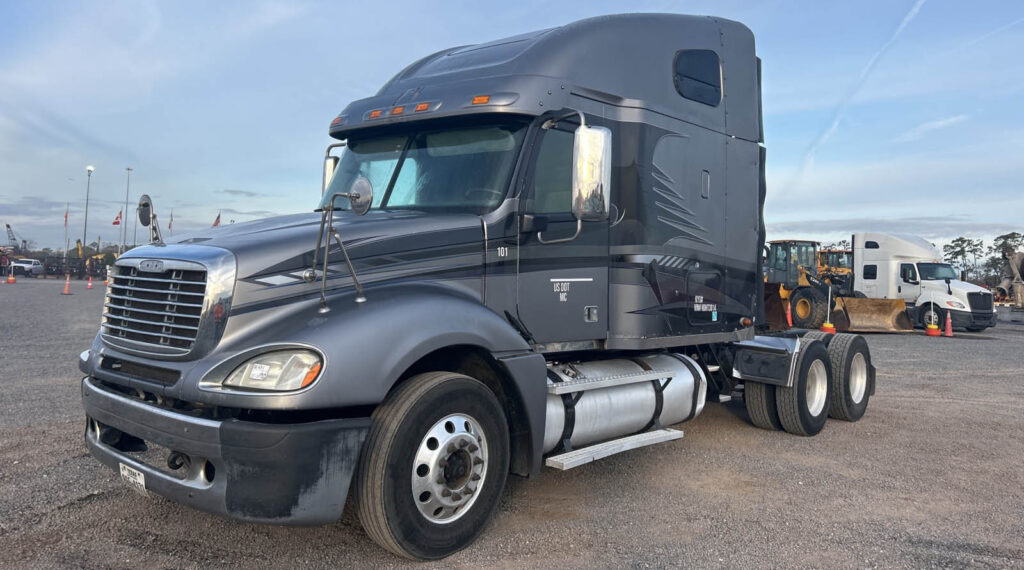
The Freightliner Columbia occupies a very different space. It does not try to be cutting-edge, and that is exactly why some buyers still prefer it. This model gained popularity during a time when simplicity and mechanical accessibility mattered more than onboard technology.
You will often see the Columbia in fleets that value consistency or in operations where ease of maintenance outweighs newer features. Its lighter overall weight can be a benefit depending on the application, and the straightforward design makes it approachable for buyers who handle much of their own maintenance.
On the used market, the Columbia tends to attract value-focused buyers. It is not uncommon for these trucks to be purchased as reliable workhorses rather than long-term flagship units. For the right operation, that trade-off makes sense.
Freightliner Classic
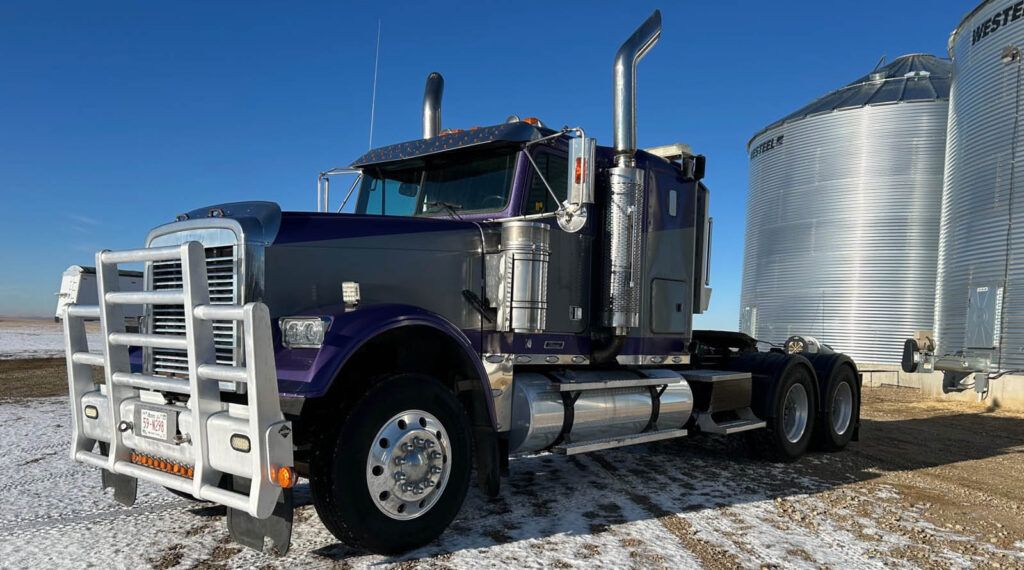
The Freightliner Classic is instantly recognizable, and buyers usually know whether they want one before they even start shopping. This is a traditional long-hood truck built with durability and power in mind, not aerodynamics.
The extended hood allows for larger engine configurations, which is one reason the Classic continues to show up in heavy haul and specialized applications. Fuel efficiency is rarely the primary concern here. Buyers are usually more focused on pulling power, longevity, and the ability to handle demanding loads.
Owner-operators are often drawn to the Classic for reasons that go beyond specs. The look, the feel, and the reputation of the platform matter. In many cases, these trucks are bought with a clear purpose and a long service life in mind.
Freightliner Coronado
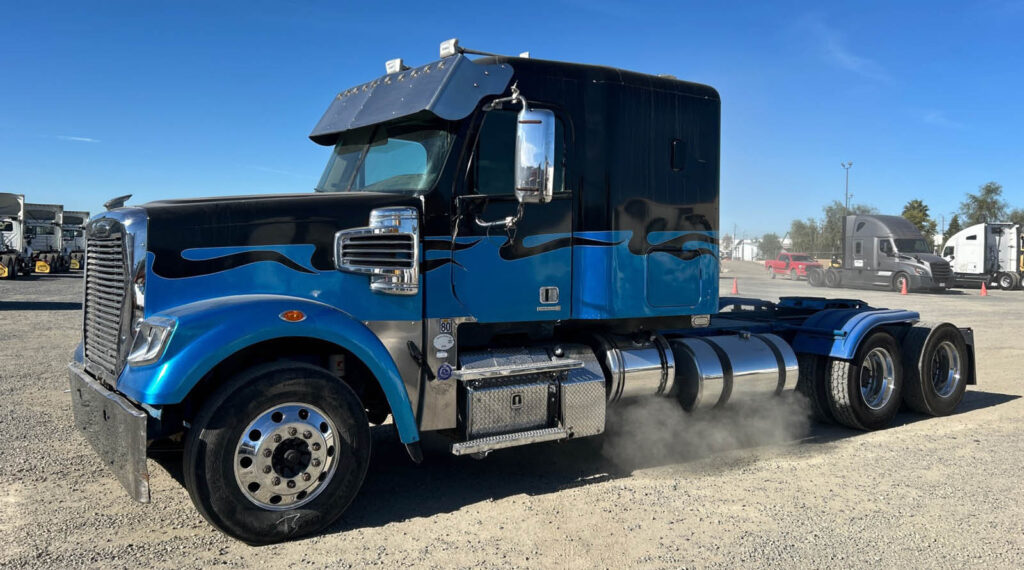
The Freightliner Coronado sits somewhere between modern engineering and traditional styling. It keeps the long-hood appearance that many buyers prefer while incorporating updates that improve ride quality and overall usability.
This model tends to appeal to buyers who want a truck that looks the part but still benefits from newer chassis design. It is commonly seen in heavy haul, vocational work, and owner-operator fleets where both performance and presentation matter.
Compared to older long-nose designs, the Coronado feels more refined without losing its heavy-duty character. That balance is a big reason it continues to attract interest in the used market.
How buyers typically choose between Freightliner models
When buyers narrow down Freightliner truck models, the decision is rarely about which one is objectively “best.” It is about fit.
For long-haul freight where fuel costs and driver comfort matter most, the Cascadia 126 usually rises to the top. Its widespread adoption also means parts and service are rarely an issue.
For buyers prioritizing affordability and mechanical simplicity, the Columbia often makes more sense. It is a practical choice for operations that value function over refinement.
For heavy-duty applications or buyers who want a traditional truck, the Classic and Coronado remain strong options. These models are chosen deliberately, often for specific workloads where durability and power outweigh efficiency gains.
What to consider when buying a Freightliner truck
Regardless of model, Freightliner buyers tend to focus on the same core factors:
- Intended application and load requirements
- Engine and transmission pairing
- Mileage, maintenance history, and condition
- Availability of service and replacement parts
One of Freightliner’s strengths is its extensive support network. Even older models often remain serviceable long after production ends, which plays a role in resale value and long-term ownership decisions.
Why Freightliner continues to hold value in the used market
Freightliner trucks show up consistently in used and auction markets because they are built for real-world work. Buyers trust the platforms, understand the maintenance requirements, and know what to expect from each model.
That familiarity matters. When a truck brand becomes predictable in the right way, it earns long-term confidence from fleets and independent operators alike.
A practical way to think about Freightliner truck models
Most buyers already have a sense of what they need before they start comparing Freightliner models. The value in understanding the lineup is knowing why one platform fits your operation better than another. Whether it is the efficiency of the Cascadia 126, the simplicity of the Columbia, or the heavy-duty presence of the Classic and Coronado, each model exists for a reason. Matching that reason to how the truck will actually be used is what leads to a good buying decision.


 |
Motivated buyers need your equipment – sell in Edmonton’s next auction |


Ritchie Bros. is a one-stop-shop for everything your equipment and truck business needs to succeed - buying and selling solutions, market insights and valuation, global buyer demand, and fleet management tools.
Ritchie Bros., Two Westbrook Corporate Center, Suite #1000 Westchester, Illinois, 60154 | +1.800.663.8457